
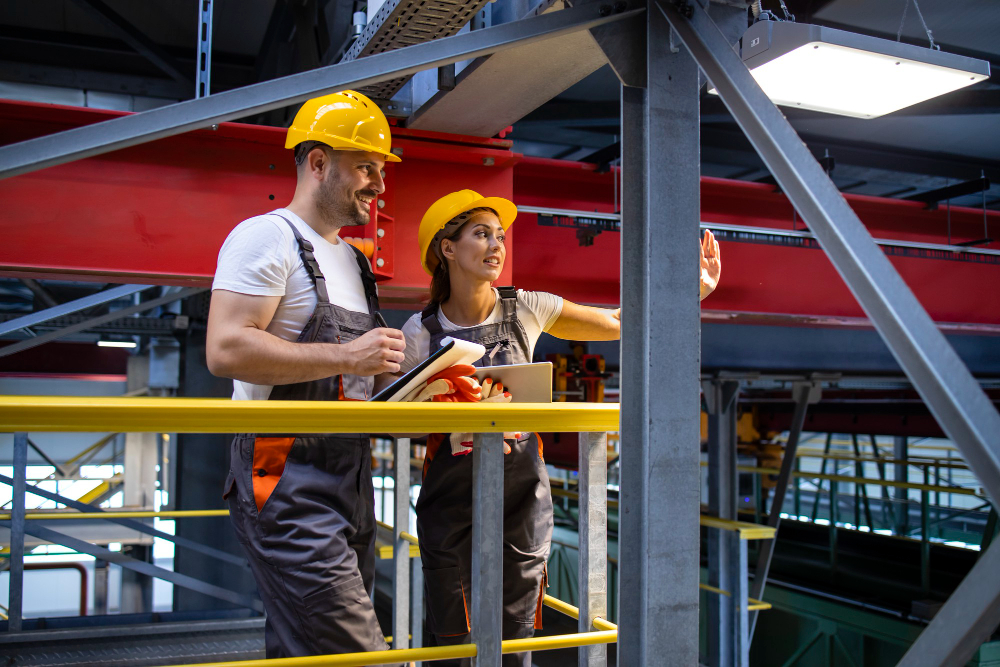
Starting an industrial building project is a major investment that requires careful planning and informed decisions. Businesses considering industrial construction in Shelbyville, KY, need to evaluate several factors before breaking ground, including site conditions, construction costs, foundation requirements, safety standards, and project management. Each decision can affect the building’s functionality, durability, and long-term value.
Whether you’re planning a new manufacturing facility, expanding an existing industrial property, or renovating a commercial space, understanding the construction process can help you avoid unnecessary delays and expenses. Working with an experienced construction partner like Hoy Construction LC can also help keep your project organized and aligned with your business goals.
1. Define Your Industrial Construction Project Requirements
Before starting construction, determine what your facility needs to accomplish. Different industrial operations require different building layouts, structural features, and equipment arrangements.
Identify Your Facility’s Purpose and Operational Needs
Consider whether your building will support manufacturing, warehousing, food processing, or other industrial activities. Evaluate the space required for machinery, storage, production areas, employee facilities, and vehicle access.
Planning these requirements early helps create a functional building that supports daily operations.
Plan for Future Business Growth
Your facility should accommodate more than your current operational needs. Consider potential equipment upgrades, additional production lines, and future workspace requirements. Building with expansion in mind can help businesses avoid costly modifications later.
2. Evaluate the Construction Site and Location
Choosing the right location is an important part of industrial building construction. Even a well-designed facility can encounter problems if the construction site has unsuitable ground conditions or limited accessibility.
Assess Land Conditions and Accessibility
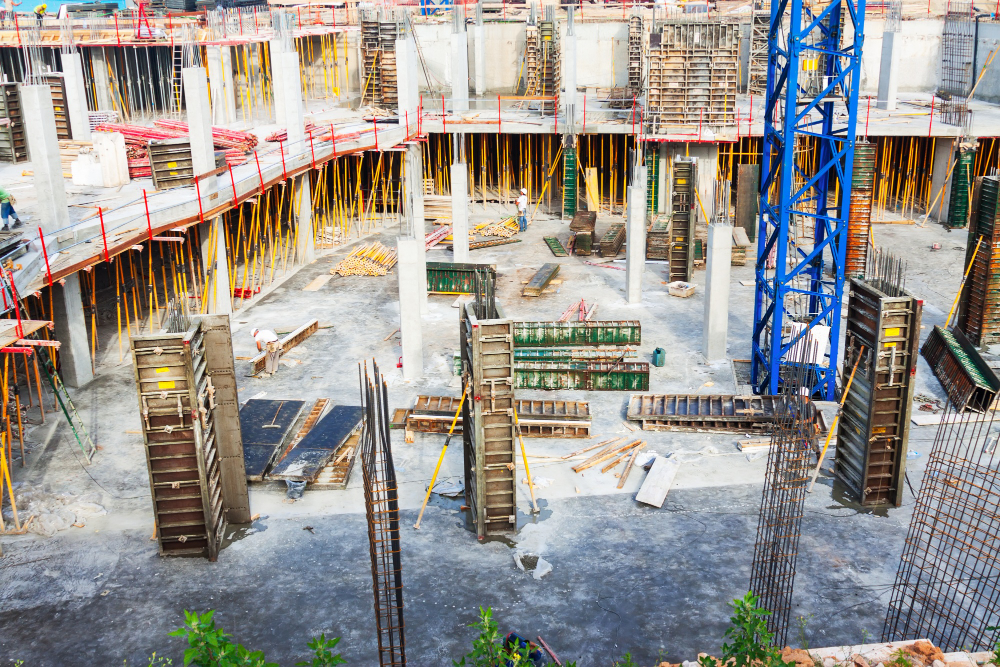
Before construction begins, evaluate soil stability, drainage, land elevation, and grading requirements. These factors influence foundation design and overall building performance.
Also consider access roads, transportation routes, utility connections, and space for heavy equipment. Proper site preparation helps establish a stable starting point for construction.
Understand Zoning and Local Construction Requirements
Businesses should review applicable zoning restrictions, building codes, permits, and inspection requirements before beginning work.
Depending on the project, environmental approvals and utility-related permits may also be necessary. Consulting the appropriate local authorities early can help prevent regulatory complications.
3. Establish a Realistic Industrial Construction Budget
Understanding the financial requirements of a project helps businesses make informed decisions and manage construction expenses.
Understand the Major Construction Cost Factors
Industrial construction costs depend on several factors, including:
- Land preparation, excavation, and grading.
- Concrete foundations and flooring.
- Structural materials and building systems.
- Labor, machinery, and equipment.
- Permits, inspections, and professional services.
- Specialized facility requirements.
The size, complexity, and intended use of the building will also influence the overall budget.
Prepare for Unexpected Expenses
Construction projects can encounter unexpected conditions, such as unsuitable soil, material price changes, or additional site preparation requirements.
Businesses should establish a reasonable contingency allowance and prioritize essential project requirements. A detailed budget and clear communication with the contractor can help reduce financial surprises.
4. Prioritize Foundations and Structural Requirements
A strong foundation is essential for the stability and durability of an industrial building. Foundation requirements should be evaluated according to the building’s design, ground conditions, and expected structural loads.
Choose the Right Industrial Foundation
Soil conditions, building weight, and operational requirements all influence foundation design. Depending on the project, construction may involve concrete slabs, reinforced footings, or other foundation systems.
Professional concrete and foundation work helps provide the structural support needed for long-term building performance.
Consider Machinery Bases and Concrete Flooring
Manufacturing and industrial facilities often require foundations designed to support heavy machinery. Equipment weight, vibration, and alignment should be considered when planning machinery bases.
Industrial flooring should also be selected according to expected traffic, equipment loads, and operational conditions. Proper planning can help reduce maintenance issues and support safer facility operations.
5. Focus on Safety, Compliance, and Facility Requirements
Safety and regulatory compliance should be considered throughout the industrial construction process, not just after the building is completed.
Follow Applicable Building and Safety Requirements
Businesses should account for applicable building codes, fire protection systems, emergency exits, accessibility, and workplace safety requirements.
Construction teams must also maintain safe job sites and coordinate necessary inspections throughout the project.
Consider Specialized Facility Requirements
Some industrial operations require additional construction considerations. For example, cleanrooms and food-processing facilities may need specialized surfaces, moisture control, hygienic materials, and systems designed around specific operational standards.
Identifying these requirements before construction begins helps ensure the facility is designed around its intended use.
6. Choose an Experienced Industrial Construction Contractor
Selecting the right contractor is one of the most important decisions businesses make during construction planning. An experienced construction partner can help coordinate different project stages and address potential challenges.
Evaluate Contractor Experience and Services
Before hiring a contractor, review their experience with commercial and industrial projects. Consider their capabilities in construction management, concrete foundations, site preparation, remodeling, and other relevant services.
Also verify appropriate licensing, insurance, qualifications, and references for the proposed scope of work.
Look for Clear Communication and Project Coordination
A reliable contractor should explain project expectations, scheduling, budgeting, and responsibilities clearly.
Regular updates and effective coordination between contractors and subcontractors help keep construction activities organized and reduce misunderstandings.
7. Develop a Realistic Construction Timeline
Industrial construction involves multiple stages, and each requires proper scheduling.
Typical project stages include:
- Pre-construction planning and budgeting.
- Permitting and site preparation.
- Concrete foundation and structural work.
- Building construction and finishing.
- Inspections and project handover.
Weather conditions, permit approvals, labor availability, and material deliveries can affect the schedule. Businesses should work with their construction team to establish realistic deadlines and account for potential delays.
Why Choose Hoy Construction LC for Industrial Construction in Shelbyville, KY?
Planning a commercial or industrial construction project requires a construction partner who understands the importance of quality workmanship, communication, and organized project coordination.
Established in 2007, Hoy Construction LC serves businesses in Shelbyville, KY, with construction-related services including construction management, concrete and foundation work, machinery bases and metal components, cleanroom and food-grade construction, and remodeling and renovations.
With an emphasis on craftsmanship, safety, and client-focused communication, Hoy Construction LC aims to help businesses move their construction projects forward with confidence.
Frequently Asked Questions About Industrial Construction in Shelbyville, KY
How Much Does Industrial Construction Cost in Shelbyville, KY?
The cost depends on building size, site conditions, foundation requirements, materials, labor, and specialized facility features. A project-specific estimate is the best way to understand the expected investment.
How Long Does an Industrial Construction Project Take?
Timelines vary depending on project complexity, permitting, site preparation, material availability, and construction requirements. Proper planning helps establish a realistic schedule.
What Should Businesses Look for in an Industrial Construction Contractor?
Look for relevant project experience, construction management capabilities, appropriate qualifications, insurance, safety practices, transparent communication, and clear budgeting.
Are Site Preparation and Concrete Foundations Important for Industrial Buildings?
Yes. Proper grading, drainage, soil evaluation, and foundation work help establish a stable base for the building and support its long-term structural performance.
Start Your Industrial Construction Project with Hoy Construction LC
Planning a new industrial facility or expanding your existing business property? Make informed decisions from the beginning with careful planning and professional construction support.
Contact Hoy Construction LC to discuss your project requirements and request a quote.
Hoy Construction LC
- Address: 4755 Burks Branch Rd, Shelbyville, KY, 40065
- Phone: (859) 576-5140
- Email: info@hoyconstructionlc.com
- Hoy Construction LC on Google Maps